Join us at Hiram Village Cemetery in Hiram, ME on Wednesday June 3rd, 2026!
All 48StateTour! events are free & open to the public
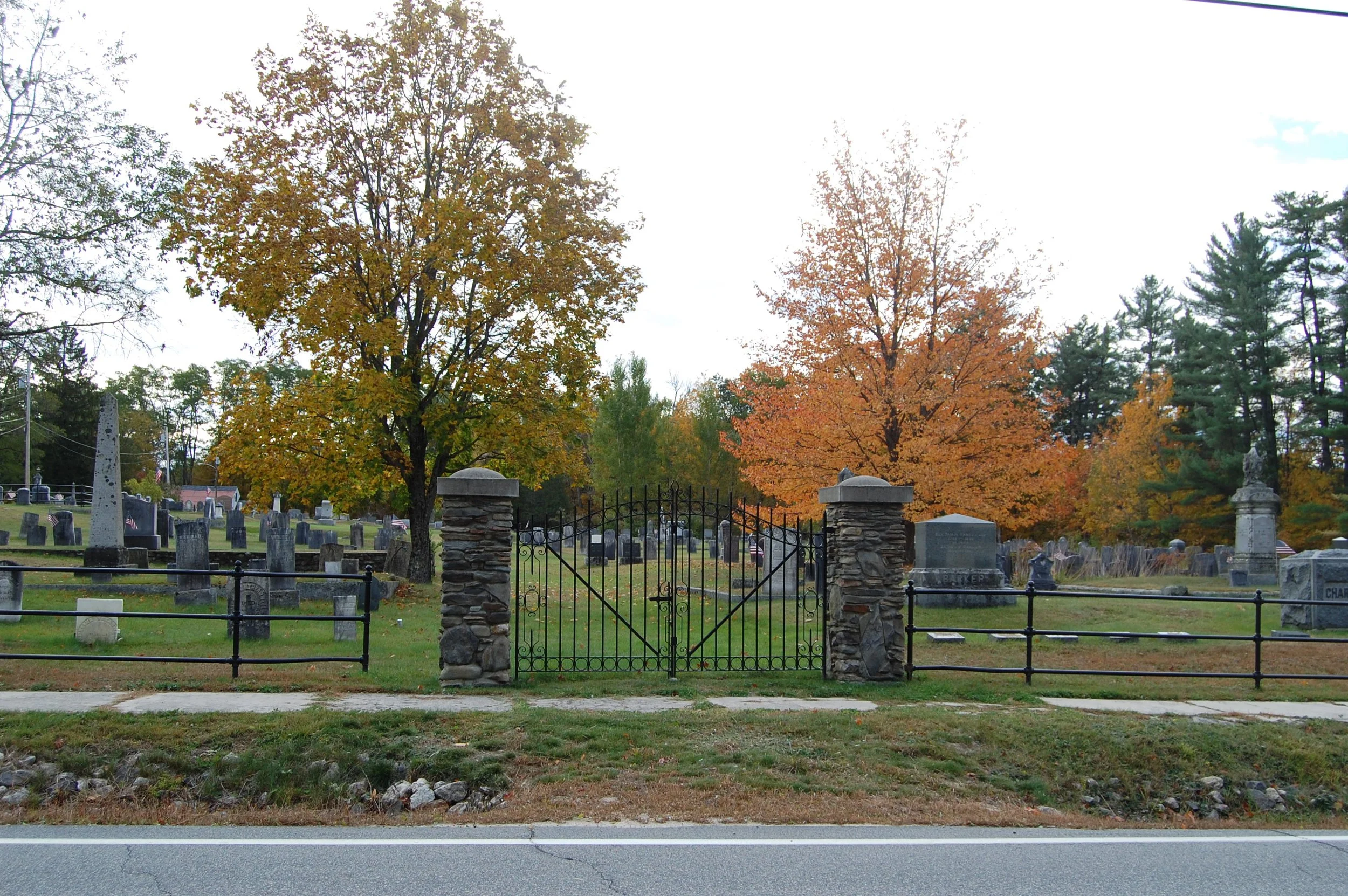
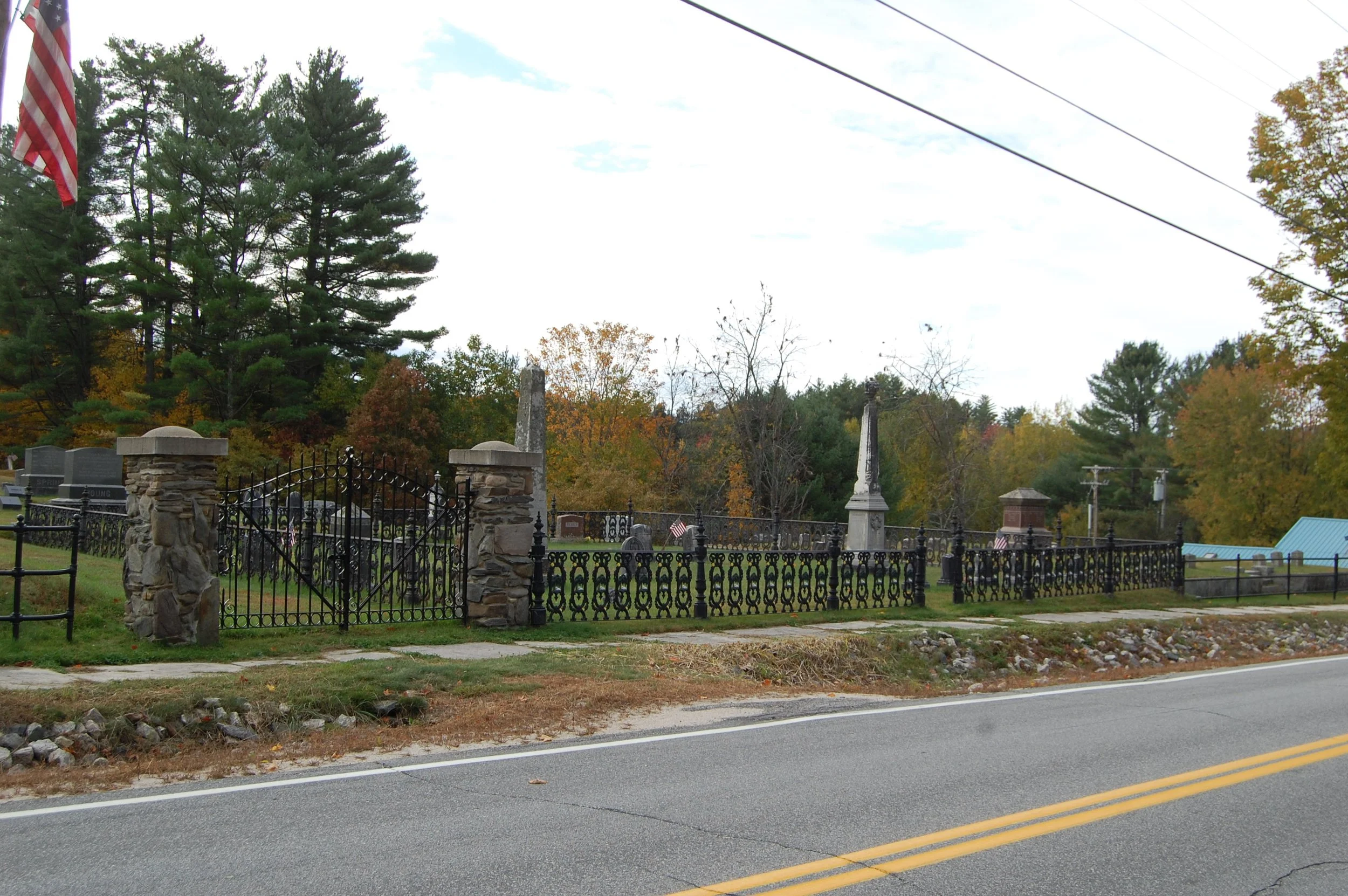
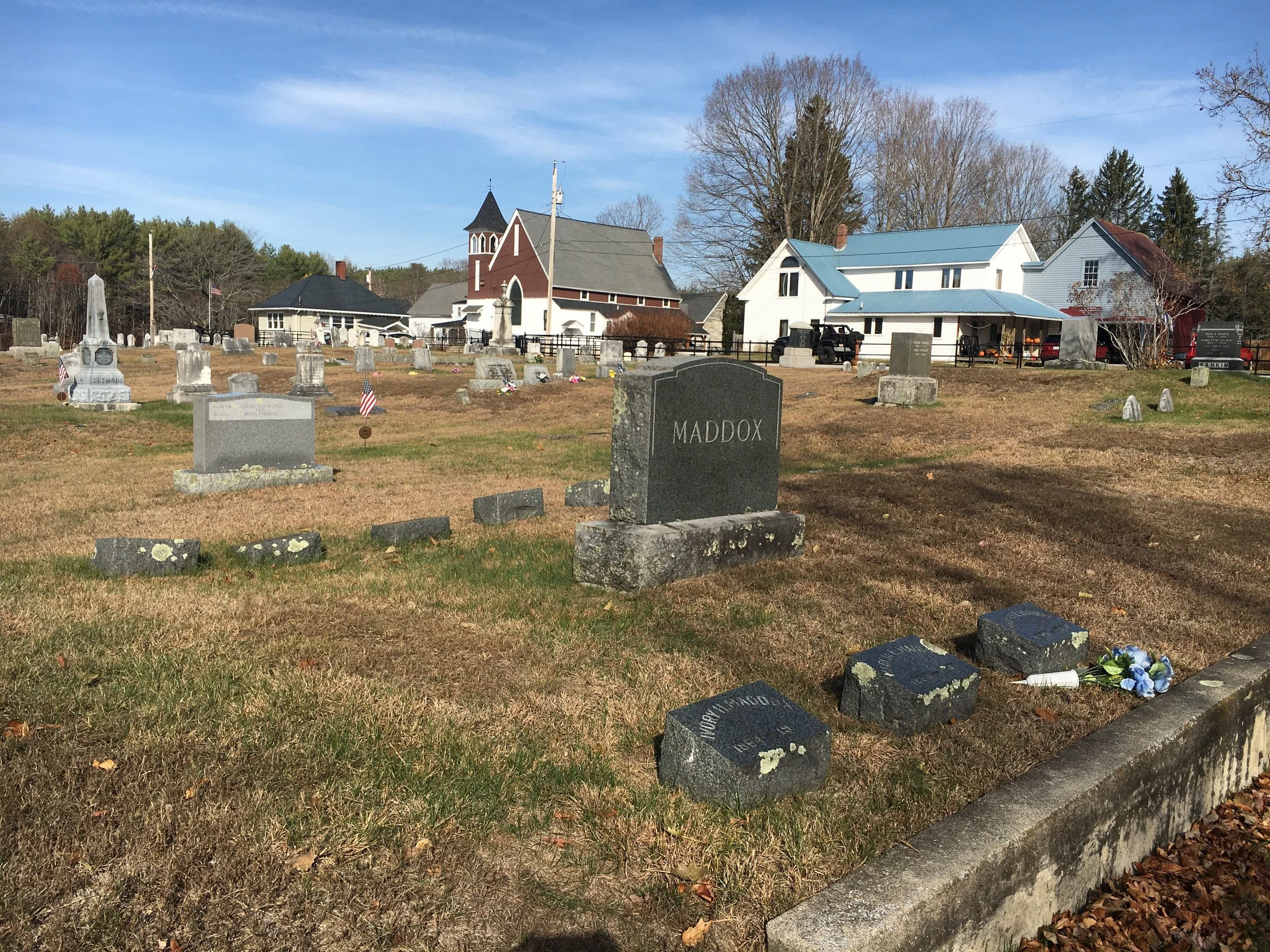
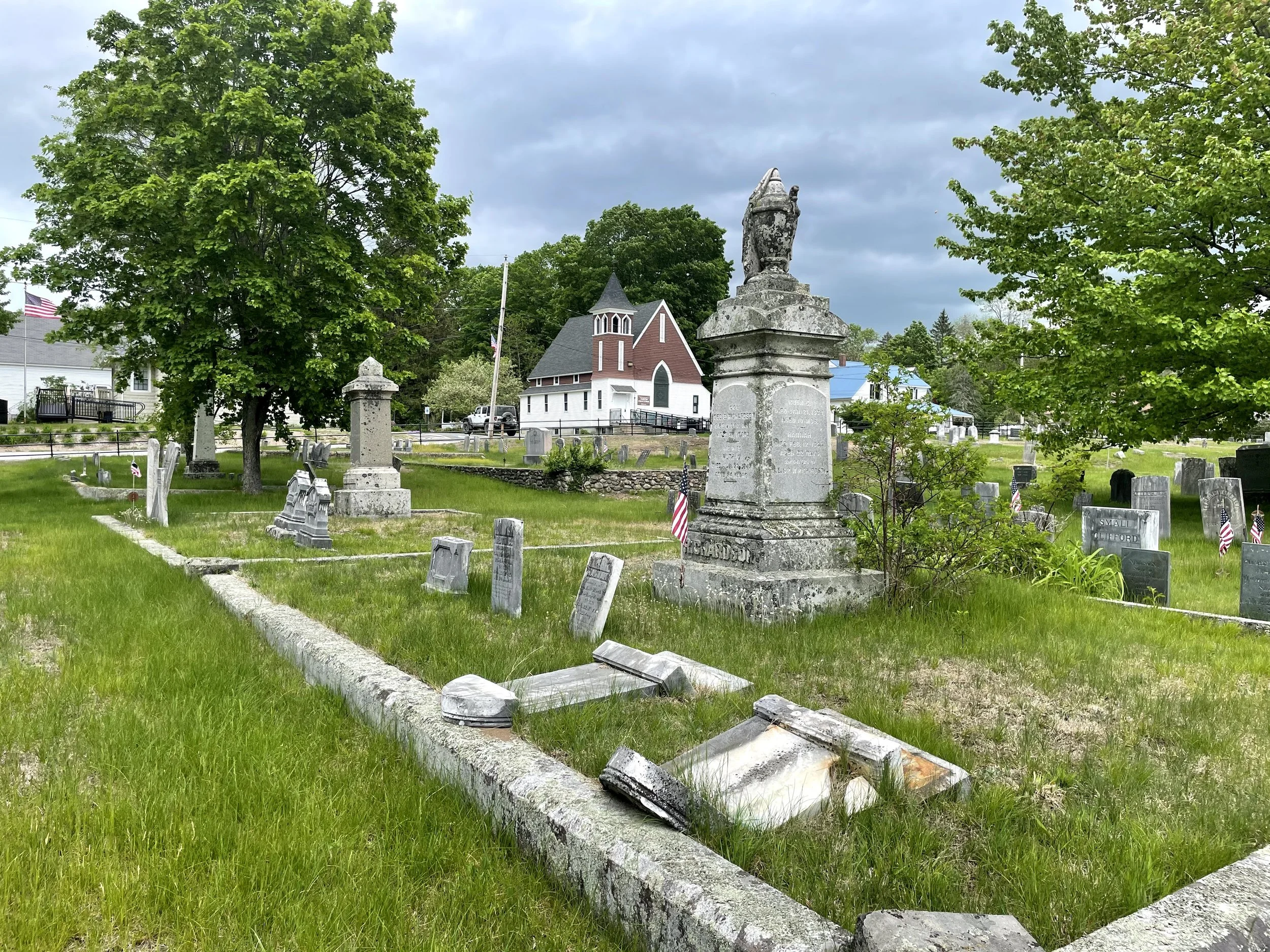
Hiram Village Cemetery
Main Street Hiram, ME 04041
6/03/2026 9am-3pm

Find A Grave
Brownfield Maine Cemeteries
Hiram Historical Society
48StateTour Facebook Event
Location Details (keep scrolling for Google maps)
Local contact info for any questions: Jess Davis, jessdavis314@yahoo.com, (765) 491-5296
Parking: Details: Parking is available on Hancock Avenue, the side street adjacent to the cemetery. There is also a small parking lot between the library and Arts Center on Hancock Ave.
Background Info: Hiram, Maine was the home of the Sokokis Tribe of Native Americans when English settlers arrived. Settlement began in 1774 on the west bank of the Saco River after an expedition led by Lieutenant Benjamin Ingalls. Ingalls surveyed lots of 100 acres for Daniel Foster, Abial Messer, John Curtis, Ebenezar Herrick, and himself. John Watson came in 1777 and settled on what is now King Street. John Clemons and wife Abigail arrived in 1779 and built a homestead near the pond named for him, Clemons Pond. Land grants spurred settlement – 6000 acres in 1789 to Timothy Cutler, for whom Mt. Cutler is named. General Peleg Wadsworth, the “Patriarch” of Hiram, finished building his mansion in 1800, and helped establish the town government. Hiram became a legal town in 1814.
Railroads brought prosperity to Hiram in 1871 which was expanded in 1883 by the narrow gauge to the lakes in Bridgton and Harrison. There were two Grange Halls, apple orchards, sawmills, grist mills, stores, a chair factory, carding mill, cooper shops, blacksmiths, coat factory, corn shops, schools, churches, and two inns –- an active, sustainable town. The Hiram Village Cemetery, located at the corner of Main Street and Hancock Avenue, began to replace the family lots on outlying farms. The oldest gravestone in the Hiram Village Cemetery is for Patience Small, who died in 1814, though most of the over 1,100 burials occurred after 1850. The cemetery is divided into lots and dotted with a variety of markers, from thin slate tablet stones to large granite obelisks.